


-

Add: HeBei ShengShi HongBang Cellulose Technology CO.,LTD.
-

Email
13180486930@163.com -

CONTACT US
+86 13180486930
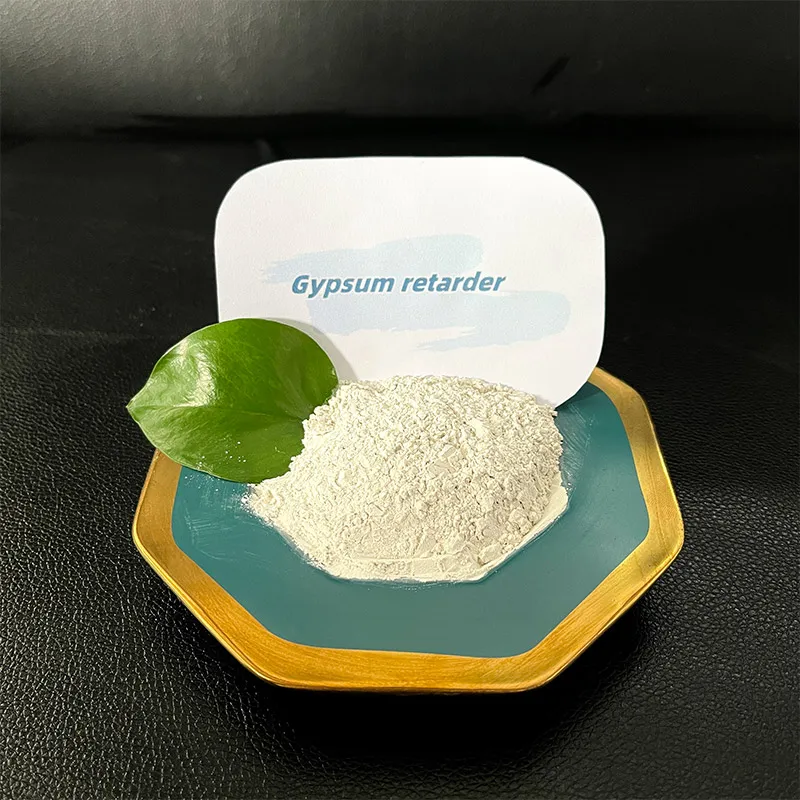


The Versatility and Applications of Polyvinyl Chloride Powder Polyvinyl chloride (PVC) is one of the most widely used synthetic plastics globally, with its powder form offering remarkable versatility and utility across various industries. PVC is produced through the polymerization of vinyl chloride monomer (VCM), leading to products that can be either rigid or flexible depending on the additives used during processing. This article explores the properties of PVC powder, its manufacturing process, and its diverse applications in numerous sectors. Properties of PVC Powder PVC powder is characterized by its excellent chemical resistance, durability, and fire-retardant properties. These characteristics make it a preferred material for many applications. The powder form allows for various processing techniques, including extrusion, injection molding, and calendaring. It can be compounded with other materials to enhance its properties, such as flexibility, weatherability, and color stability. By adding plasticizers, stabilizers, and other additives, manufacturers can tailor PVC powder to meet specific performance requirements for different applications. Manufacturing Process The production of PVC powder typically involves the polymerization of vinyl chloride gas, which is accomplished through suspension, emulsion, or bulk polymerization processes. The resulting polymer can be ground into a fine powder suitable for various processing techniques. During the manufacturing process, additives are incorporated to improve the powder's characteristics. For instance, lubricants may be added to enhance flow properties, while thermal stabilizers protect against degradation during processing. Applications of PVC Powder The applications of PVC powder are vast and span multiple industries, including construction, healthcare, automotive, and consumer goods. polyvinyl chloride powder 1. Construction In the construction sector, PVC powder is widely used to manufacture pipes, fittings, and profiles. Rigid PVC pipes are favored for their strength, lightweight, and resistance to corrosion, making them ideal for plumbing, drainage, and electrical applications. Additionally, PVC profiles for windows and doors provide energy efficiency, durability, and low maintenance. 2. Healthcare PVC powder plays a crucial role in the healthcare industry. It is utilized in medical devices, such as IV bags, tubing, and blood bags. The material's ability to be sterilized and its biocompatibility make it suitable for various medical applications. Furthermore, the flexibility of PVC can be modified with additives to ensure comfortable and safe medical products. 3. Automotive In the automotive industry, PVC powder is utilized to create interior parts, such as door panels, instrument panels, and seat covers. Its lightweight nature helps improve fuel efficiency, while its durability contributes to the longevity of automotive components. Additionally, PVC is often used in insulation for electrical wiring in vehicles. 4. Consumer Goods PVC powder is commonly found in a wide range of consumer products, from toys to footwear and household items. For example, inflatable products, such as pool floats and toys, benefit from PVC's waterproof properties. Its adaptability allows manufacturers to create products in various colors and textures. 5. Packaging The packaging industry also leverages PVC powder for producing cling films and other flexible packaging materials. PVC's excellent barrier properties help preserve the freshness of food products while providing visibility and durability. Conclusion In summary, polyvinyl chloride powder exhibits remarkable versatility, making it a crucial material in various sectors. Its unique properties and adaptability allow for tailored solutions to meet specific requirements in construction, healthcare, automotive, consumer goods, and packaging markets. As sustainability becomes increasingly important, the industry is also exploring recycling and eco-friendly alternatives to ensure that PVC remains a viable and responsible choice. With ongoing innovations and developments in processing techniques, the future of PVC powder is poised to remain bright, continuing to provide essential contributions across multiple industries.
- 40000tons

Production
- 20+years

Experience
- 5000+㎡

Acreage

-
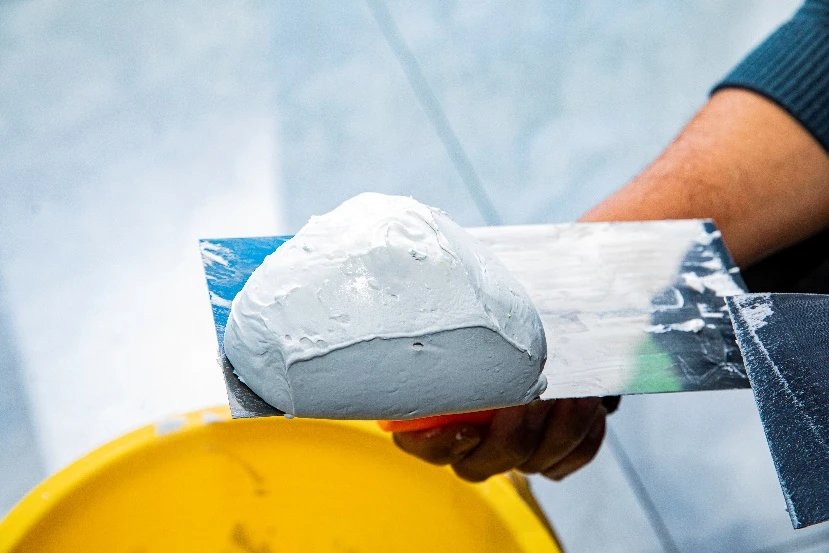
Methylcellulose artificial tears have emerged as a significant innovation in the field of ophthalmology, offering an essential solution to the pervasive issue of dry eyes. With the increasing screen time and environmental pollutants contributing to eye discomfort, more people are searching for effective relief methods. To add credibility to this discussion, it's vital to delve into the actual experiences of users, professional insights, and authoritative validations that surround these artificial tears. Methylcellulose , a cellulose derivative, plays a fundamental role in the formulation of artificial tears. This ingredient is known for its exceptional water-retaining properties, making it an effective lubricant for dry eyes. Real-life experiences demonstrate that individuals suffering from chronic dry eyes report substantial relief after incorporating methylcellulose artificial tears into their daily routine. For instance, many users have noticed a significant reduction in symptoms such as redness, irritation, and the sensation of grittiness. Testimonials often highlight the product's quick onset of action, with users feeling soothing relief within minutes of application. Expertise in ophthalmology underscores the importance of choosing the right artificial tear formulation. Methylcellulose-based products are highly recommended by eye care professionals due to their biocompatibility and non-irritating nature, which is crucial for long-term use. Doctors emphasize that these artificial tears maintain ocular surface health by providing a protective layer that mimics natural tear film. This not only alleviates discomfort but also promotes healing of the fragile eye surface. From an authoritative standpoint, several studies have confirmed the efficacy and safety of methylcellulose in artificial tears. Clinical trials suggest that regular use can lead to improved tear film stability, reduced ocular surface stress, and enhanced overall eye health. Such scientific endorsements offer a layer of trustworthiness for those considering methylcellulose-based solutions. Regulatory bodies, including the FDA, recognize and approve methylcellulose for use in ophthalmic applications, further validating its safety profile. methylcellulose artificial tears Trustworthiness of methylcellulose artificial tears is also reinforced through the transparency of product formulations and manufacturing processes. Consumers can be assured of quality through brands that follow stringent testing and quality control measures. Many reputable eye care companies prioritize sustainable practices in sourcing and production, ensuring that their products do not only cater to human health but also consider environmental impacts. This combination of real-world experience, expert recommendations, authoritative endorsements, and trustworthy practices positions methylcellulose artificial tears as a compelling choice for those battling dry eye syndrome. They offer a non-invasive solution that can integrate seamlessly into any lifestyle, providing both immediate and long-lasting relief. As the digital age propels forward, and with it the challenges of maintaining eye health, methylcellulose artificial tears stand out as a scientifically backed, user-validated, and environmentally conscious option. In summary, anyone seeking solutions for dry eyes will likely find methylcellulose artificial tears a suitable match. Their proven effectiveness and safety, supported by professional and reputable sources, cater to a broad audience, from those experiencing mild discomfort to individuals dealing with significant dry eye symptoms. Making an informed choice in the selection of these products can lead to improved quality of life and sustained ocular health, reinforcing their position as a pivotal product in eye care.
-
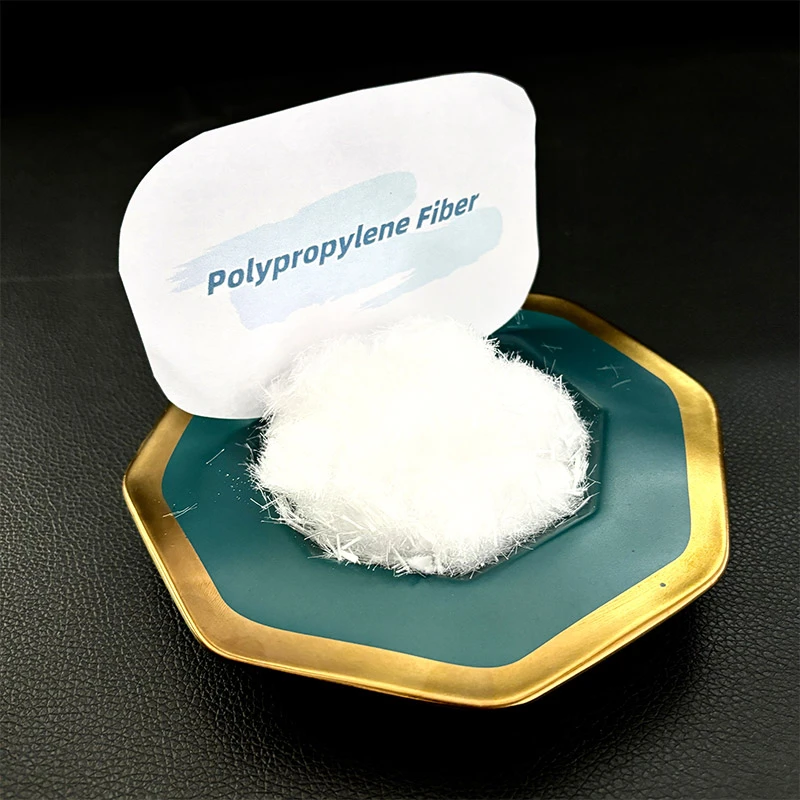
Extra time plaster additives have revolutionized the construction and renovation industry, providing a solution that allows builders and DIY enthusiasts to manage their time more efficiently without compromising on the quality of the work. This product is especially beneficial in environments where the curing time of plaster can be a challenge due to environmental factors or large-scale projects demanding a gradual pace. Understanding the mechanics of extra time plaster additives requires delving into their composition and functionality. These additives are specially formulated compounds that slow down the setting process of plaster, an indispensable trait when it comes to detailed work or complex projects. Typically, they are made from a blend of retarding agents and other ingredients that finely calibrate the setting time without degrading the plaster's structural integrity or finish quality. Experience with extra time plaster additives highlights their unparalleled utility in scenarios where timing is critical. Professional builders who undertake extended wall plastering or intricate ceiling designs frequently cite the controlled setting time as a key advantage. This feature ensures that the finishing touches can be applied meticulously, improving the overall aesthetic without the stress of the plaster hardening prematurely. Furthermore, amateur DIY enthusiasts find these additives incredibly user-friendly, as they provide the flexibility to amend or smooth over any inconsistencies in the application. From an expertise perspective, using extra time plaster additive demands a solid understanding of how to balance the additive's proportion to the volume of plaster mix. Success lies in meticulous measurement. A common guideline is to follow the manufacturer's specifications, accounting for variables like ambient temperature and humidity, which can also affect the setting time. Experienced plasterers often perform small test batches to perfect the ratio and ensure a seamless outcome that aligns with their project's demands. Authority in discussing extra time plaster additives is bolstered by the widespread adoption and endorsement from leading construction experts and organizations familiar with their significant benefits. The Construction Industry Congress repeatedly emphasizes the efficacy of these additives in minimizing plaster waste, reducing costs associated with rushed or defective work, and ensuring environmental compatibility through fewer material discards. extra time plaster additive Trustworthiness in this domain is built on transparent communication between the manufacturers and users, ensuring clarity about the components and safety of these products. Leading brands that offer extra time plaster additives invest heavily in research and development, followed by rigorous testing to validate their additives comply with industry regulations and safety standards. This ensures users can trust the product to deliver consistent, reliable results. Another aspect highlighting the significance of extra time plaster additive is its contribution to sustainable building strategies, a crucial factor in modern construction. By allowing more precise application processes and reducing material wastage, these additives align with green building practices. Some brands have introduced eco-friendly versions that further curtail the environmental impact, making them a preferred choice for environmentally-conscious projects. Moreover, user testimonials and case studies underscore the real-world benefits of these additives . One particular case describes a large corporation undertaking a massive renovation of a multi-story building where the use of extra time plaster additives was pivotal in maintaining a fair balance between efficient project completion and achieving exquisite finishes. The extension of workable time allowed for a staggered workforce and reduced manpower fatigue, ultimately enhancing the living quality of the residents without the pressure of hasty plastering. In sum, extra time plaster additives are a critical innovation in the construction industry. They provide much-needed flexibility and control over the plaster setting process, empowering both professionals and hobbyists to achieve high-quality finishes. Their integration into construction projects symbolizes not just a tool for practical advantage but also a commitment to sustainable, efficient building practices. As the industry continues to evolve, these additives will undoubtedly remain at the forefront of construction solutions.
advantages
-

200000 Viscosities
Excellent product
We can produce pure products up to 200,000 viscosities
-

40000 tons
High yield
We don’t stop production all year round, and the annual output can reach 40,000 tons
-

24 hours
Quality service
We provide 24-hours online reception service, welcome to consult at any time
———— Inquiry Form
Schedule A services

- fiber_polypropen
Oct . 25, 2025
Understanding Polypropylene Fibers for Concrete Slabs Enhancing Durability and Performance In the re - fibra_de_polipropileno
Oct . 25, 2025
Kizuia Jasi Embracing Resilience and Strength In a world fraught with challenges, the concept of Kiz -
 macro_fibres_concrete
Oct . 25, 2025
Hydroxypropyl methylcellulose, abbreviated as HPMC, is revolutionizing various industries due to its


